Best Remodeling Company in Farmington Committed to Customer Satisfaction and Quality Work
Enhance Your Space With a Premier Remodeling Company: Find the Current Trends in Home Renovation
Home renovation is evolving. With a focus on sustainable practices and open layouts, today's remodeling businesses are creating innovative standards. They provide cutting-edge design solutions that combine functionality with style. Property owners are progressively looking for multi-functional spaces and smart technology integration. This transformation both improves everyday living while increasing property values. Modern developments will redefine everyday life. What key transformations are generating the greatest effect?
Welcoming Open Layout Living
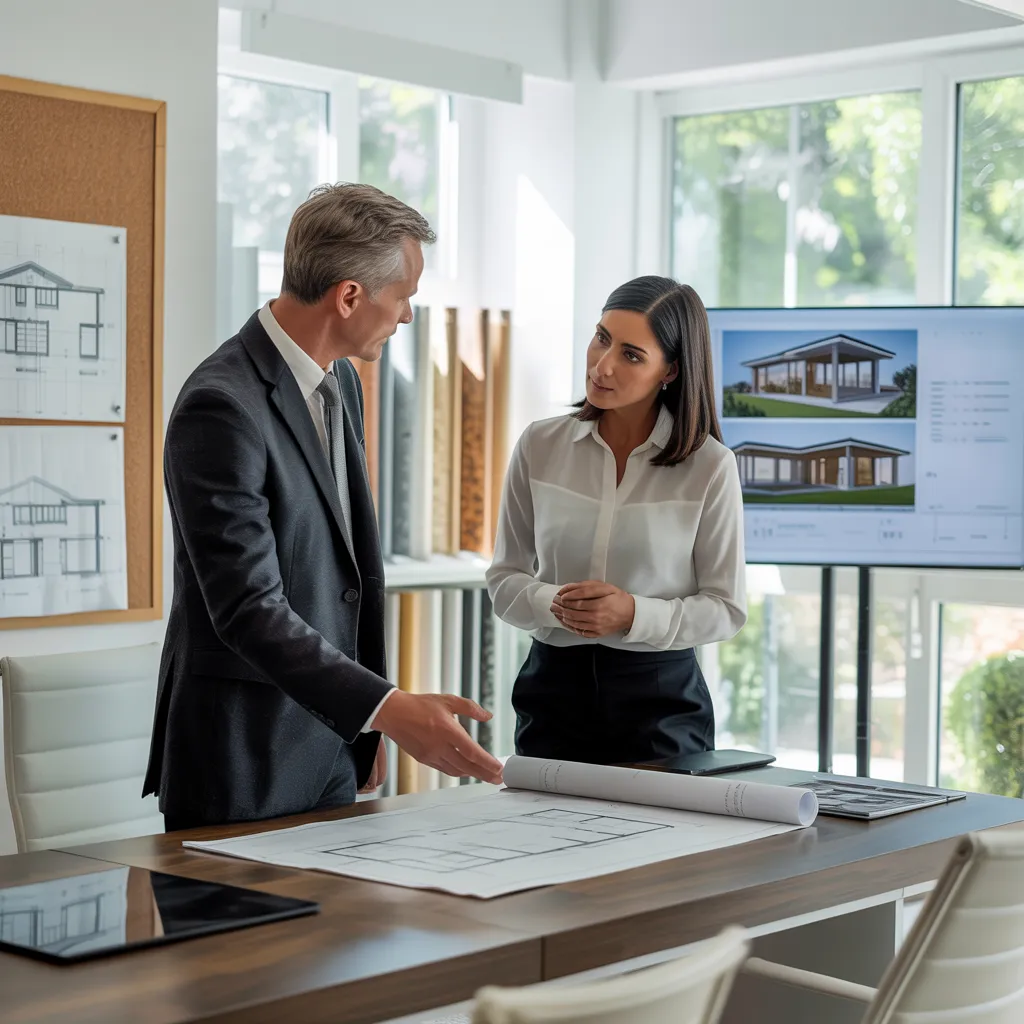
As homeowners more and more aim to expand space and promote a sense of unity, embracing open concept living has become a popular direction in home renovation. This design approach removes barriers between common areas, permitting fluid flows between the kitchen, dining, and living spaces. The result is a more hospitable setting that promotes interaction among family members and guests.
Open floor plans help improve natural light distribution, causing interior spaces to appear brighter and more expansive. Moreover, this style often accommodates flexible furniture configurations, allowing homeowners to personalize their environments based on their requirements.
While aesthetic considerations hold substantial weight, practical considerations also drive the popularity of open concept living. It typically eases movement throughout the home, making daily activities more efficient. As this trend continues to gain traction, homeowners are finding innovative ways to harmonize openness with designated areas, guaranteeing functionality and style merge effortlessly.
Sustainable Materials and Eco-Friendly Designs
The expanding priority on open concept living has paved the way for an expanded focus on environmentally responsible materials and environmentally friendly designs in home renovations. Homeowners are now emphasizing sustainable alternatives that minimize their carbon footprint while boosting aesthetic appeal. This shift encompasses the use of reclaimed wood, bamboo flooring, and repurposed metal fixtures, which not only decrease waste but also offer unique visual characteristics.
Moreover, energy-efficient appliances and low-VOC paints help create healthier indoor air quality, matching a growing demand for sustainability. Natural light is also maximized through larger windows and skylights, lessening reliance on artificial lighting. Landscaping is being reimagined with native plants that require less water, further advancing eco-friendliness.
As trends continue to evolve, the integration of eco-friendly materials and design elements demonstrates a commitment to both personal design preferences and environmental stewardship, making homes not just stunning, but also environmentally aware and prepared for the future.
Integration of Smart Home Technology
As homeowners seek greater convenience and efficiency, smart home technology integration is growing in popularity. Voice-controlled home systems and automated lighting solutions offer enhanced energy management and seamless control. This trend represents a broader shift towards creating intelligent living spaces that accommodate modern lifestyles.
Automated Illumination Solutions
How might homeowners elevate their living spaces while simultaneously increasing efficiency? One proven approach is through automated lighting solutions, which integrate seamlessly into smart home technology. These systems enable homeowners to control lighting remotely via smartphones or tablets, creating customizable settings to suit their needs. For instance, automated timers can adapt lighting based on occupancy or time of day, providing energy conservation and improved security. Additionally, smart sensors can detect natural light levels, modifying artificial lighting accordingly. This not only boosts comfort but also reduces electricity costs. As homeowners strive to modernize their spaces, incorporating automated lighting solutions stands out as a practical and stylish choice in contemporary home renovation trends.
Smart Voice Household Systems
Implementing voice-controlled home systems additionally improves the ease of use and efficiency of smart home technology. These systems permit homeowners to control various functions, including lighting, temperature, and security, using simple voice commands. This hands-free approach supports accessibility, making it ideal for individuals with mobility challenges. Moreover, voice-controlled systems can integrate with other smart devices, creating a seamless home automation experience. As technology progresses, features such as AI-driven personal assistants enable personalized interactions, learning user preferences over time. This trend not only eases daily routines but also improves energy efficiency, as users can adjust settings on demand. Ultimately, voice-controlled home systems represent a significant step forward in creating intuitive, user-friendly environments that adapt to modern lifestyles.
Elegant Bathrooms: Spa-Like Retreats
Upscale bathrooms are more and more styled as resort-style retreats, prioritizing tranquility and comfort. Homeowners are gravitating toward sophisticated fixtures and finishes, peaceful color schemes, and modern spa features to establish an attractive atmosphere. This trend demonstrates a preference for personal sanctuaries that blend functionality with premium aesthetics.
Exquisite Appointments and Finishes
The allure of elegant fixtures and finishes transforms a bathroom into a serene spa-like retreat. Luxury materials, such as polished marble and rich wood, create an inviting atmosphere that elevates the space. Fixtures like freestanding soaking tubs and rainfall showerheads not only enhance functionality but also serve as focal points, exuding sophistication. Expertly crafted vanities with intricate details provide both beauty and practicality, while chrome or matte black faucets add a contemporary touch. Lighting plays a vital role, with statement chandeliers or wall sconces casting a warm glow that complements the overall design. Adding these luxurious elements fosters a tranquil environment, making everyday routines feel indulgent and restorative, ultimately redefining the bathroom as a personal sanctuary.
Peaceful Colour Palettes
When selecting the right color palette can significantly influence the ambiance of a bathroom, calming colors play an crucial role in creating a spa-like retreat. Subtle hues of blue, green, and gray evoke a sense of peace and calmness, making them favored selections for luxurious bathrooms. These colors can be matched with natural materials like wood and stone to amplify the calming effect. In addition, muted tones can create a cohesive look when integrated with elegant fixtures and finishes, encouraging a serene atmosphere. Including white accents can further enhance the sense of cleanliness and openness. In summary, a carefully chosen soothing color palette transforms a bathroom into a peaceful sanctuary, excellent for unwinding after a long day.
Modern Spa Offerings
How do innovative spa features transform a bathroom into a serene retreat? By incorporating elements such as rainfall showerheads, freestanding soaking tubs, and steam showers, homeowners can create an inviting atmosphere similar to high-end wellness spas. Advanced technology, including mood lighting and smart temperature controls, enhances relaxation, while features like heated floors provide comfort during colder months. Incorporating natural materials, such as stone and wood, cultivates a tranquil ambiance. Additionally, the inclusion of aromatherapy diffusers and sound systems can engage the senses, further elevating the experience. With these innovative spa features, a bathroom becomes a personal sanctuary, allowing individuals to de-stress and rejuvenate despite the stresses of daily life, making it a popular trend in modern home renovations.
Culinary Innovations: Style Meets Functionality
Many homeowners are welcoming kitchen innovations that seamlessly blend functionality with aesthetic appeal. Contemporary designs prioritize open layouts, allowing for effortless flow between cooking and socializing. High-quality materials, such as quartz countertops and stainless steel appliances, enhance durability while adding a sleek touch.
Modern technology has equally made notable strides, featuring appliances that provide ease and effectiveness, for example smart ovens and touchless faucets. These advancements not only streamline daily tasks but also promote energy savings.
Eco-conscious approaches are becoming more view resource prevalent, with sustainable materials and energy-saving devices emerging as critical components. Personalized cabinetry, showcasing clever storage systems, enhances space utilization while retaining a refined aesthetic.
Homeowners are increasingly choosing statement lighting and bold backsplashes, developing focal points that uplift the overall design. In this evolving landscape, the kitchen surfaces as a harmonious blend of design and functionality, expressing individual tastes while adapting to contemporary lifestyles.
Imaginative Space Management: Versatile Spaces
As homeowners seek to maximize their living spaces, the trend of multi-functional rooms has grown in prevalence. This modern approach allows for the seamless integration of diverse functions within a single area, enhancing both utility and aesthetic appeal. Designers are increasingly incorporating versatile furniture, such as foldable tables, murphy beds, and modular seating, which can be easily reconfigured to suit varying needs.
Additionally, creative storage approaches, including built-in shelves and hidden compartments, work to maintain a clutter-free environment. Home offices, formerly restricted to separate rooms, now often coexist with living areas, promoting efficiency without sacrificing comfort.
In addition, the use of separators, such as sliding panels or bookcases, can effectively define spaces while keeping an open feel. This trend not only enhances square footage but also fosters a more adaptable lifestyle, making homes more flexible and reflective of varied living needs.
Outdoor Living: Increasing Your Residence's Footprint
The movement toward maximizing living areas reaches beyond the interior of homes, with outdoor living spaces becoming increasingly popular. Homeowners are recognizing the value of creating functional, aesthetically pleasing spaces outside, transforming backyards into extensions of their homes. Features like outdoor kitchens, fire pits, and comfortable seating areas are in high demand, allowing families to enjoy nature while entertaining guests.
Furthermore, the integration of landscaping elements, such as gardens and water features, improves the total ambiance. These outdoor spaces not only offer relaxation but also add to the property's value.
Modern design trends highlight seamless connections between indoor and outdoor spaces, often utilizing large sliding doors and open layouts. As a result, homeowners can experience a versatile environment that adapts to different activities, from casual gatherings to formal events. This shift toward outdoor living represents a broader desire for connectivity with nature and an enhanced lifestyle.
Frequently Asked Questions
What Should I Consider When Choosing a Remodeling Company for My Project?
To select the right remodeling company, you should investigate qualifications, check testimonials, compare quotes, and interview possible companies. It's vital to establish clear communication and a shared vision for the project's intended goals.
How Much Does a Home Renovation Cost on Average?
Average home renovation expenses usually fall from $15,000 to $75,000, determined by the project's magnitude and difficulty. Elements affecting costs encompass materials, labor, and the particular spaces undergoing renovation.
How Long Does a Typical Remodeling Project Take?
A typical remodeling project usually takes between a few weeks to several months, depending on factors including the project's scope, complexity, and the availability of materials and skilled labor needed to complete the renovations.
Do All Types of Renovations Require Permits?
Permits are generally needed for major renovations, such as structural modifications, electrical work, or plumbing upgrades. However, smaller cosmetic improvements may not need permits. Local regulations vary, so contacting local authorities is recommended.
What Are the Best Ways to Finance My Home Renovation?
Options for financing home renovations include personal loans, HELOCs, cash-out refinancing, and government programs. Each choice provides different advantages, and careful assessment is crucial to choose the best fit for individual needs.